Learn Medical In House Training
In-House Training for Nurses Explained: Meaning, Medical Context, and Hospital-Based Professional Development
Introduction to Learn Medical In House Training
The healthcare organizations are in an environment where there is no compromise in clinical accuracy, patient safety and regulatory compliance. In this context, we should not ignore structured workforce formation as it is a necessity. In house training hospital programs especially those focused on the nursing professionals are one of the most effective strategies embraced by healthcare institutions. In medical terms, it is very essential to learn consistency in clinical standards, risk reduction as well as patient outcomes which involves understanding in house training to hospitals and healthcare providers. The article pays particular attention to the in house training for nurses, its meaning in medical and nurses care settings, the way it is being practiced in hospitals, as well as the reasons as to why it has become one of the pillars of the contemporary healthcare workforce development. This discussion is aimed at the hospital administrators, nurse educators, clinical managers, and other healthcare professionals in need of understanding and best-practice perspective.1. In-House Training Meaning in Medical and Nursing Contexts
1.1 In-House Training in Medical Terms
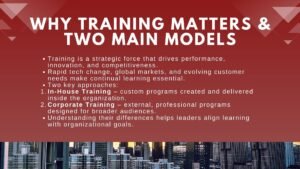
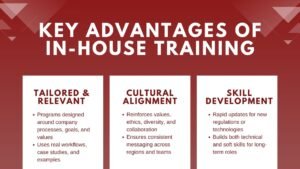
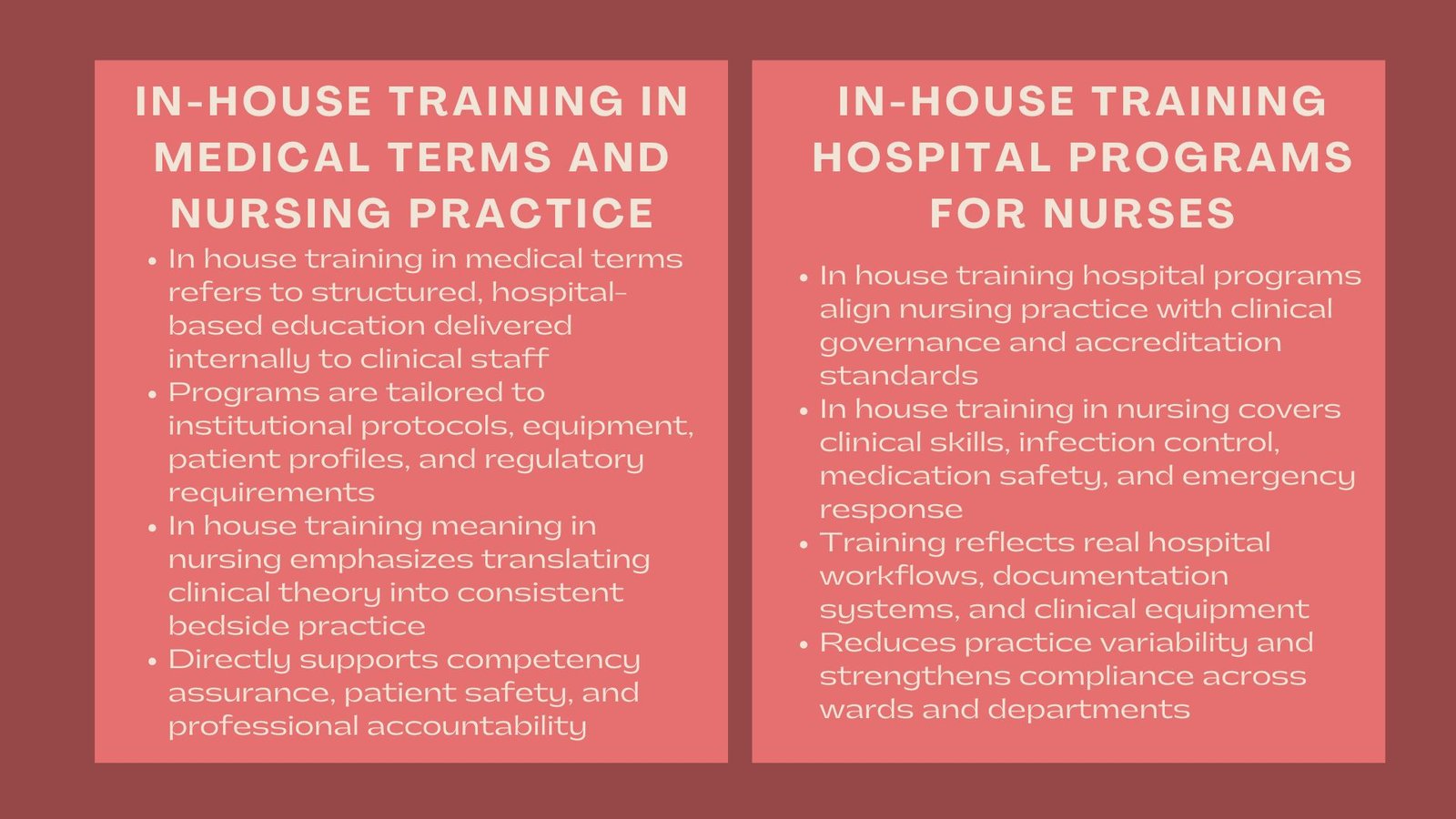
Medical In house training is an internal educational program, skills development and competency based learning provided by a healthcare institution to its own employees. In-house training is also customized to the hospital clinical procedures, equipment, and patient demographics in comparison to external courses or academic programs. Training in-house can typically address patient safety, infection control, clinical governance, medical ethics, and performance of hospital-specific procedures in medical settings. It is not general education that is sought but an operational excellence and conformity in a specified clinical setting.1.2 In-House Training Meaning in Nursing
When we talk of the meaning of in house training in nursing, the meaning is more specific. The in-house training of nursing is aimed at the translation of the theoretical knowledge into the safe consistent practice at the bedside. It helps nurses to fit evidence-based guidelines with the reality of the workplace, and sets the same standards throughout the wards and among departments. In nursing, in-house training is directly associated with competency assurance, continuing professional development and clinical risk management. It strengthens professional accountability of the nurses and aids in the life long learning in the organization.2. In-House Training Hospital Programs: Structure and Purpose
2.1 Why Hospitals Rely on In-House Training
The reason behind the existence of in house training hospital programs is the fact that healthcare delivery is very context specific. Institutional policies, available resources, and patient profiles may be utilized differently in a procedure, protocol, or technology. In-house training is applied in hospitals in order to make sure that the work of all nurses and clinical employees does not lack a single structure. In terms of governance, in-house training is used to assist hospitals to show that they are in compliance to the accreditation standards, professional regulations and the quality assurance requirements. It also minimizes dependence on external education which might not be accurate on internal clinical realities.2.2 Integration With Clinical Governance
Clinical governance systems are heavily entrenched in in-house training. Training reports, competency testing and refresher programs are included into the risk management and audit trail of a hospital. In case of the nursing professionals, they are usually required to be part of the in house training in the nursing programs, and along with credentialing or promotion or even protracted clinical privileges.3. In-House Training in Nursing: Scope and Application
3.1 Clinical Skills and Competency Development
In house training in nursing typically deals with the fundamental clinical areas of medication administration, wound care, infection prevention, patient assessment and emergency response. Since training is provided within the organization, it can be considered as the replica of what is employed in the hospital in terms of equipment, documentation systems, and workflows. This focused practice lowers practice variability and lowers institutionalisation errors brought about by lack of familiarity with institutional processes. In the case of nurses, it gives them the assurance that their competence is in tandem with the expectations of reality.3.2 Professional and Ethical Development
In addition to technical skills, in house training in nursing meaning also implies professional conduct and communication, patient advocacy, as well as ethical decision-making. Patient confidentiality, informed consent, and interprofessional collaboration are usually part of the training provided in hospitals. These programs enhance professionalism in nurses besides aligning the action of an individual to organizational values and legal requirements.4. In-House Training Meaning in Nursing Practice
4.1 Transition From Theory to Practice
The meaning of in house training in nursing is the most obvious one when it comes to transitions, including the introduction of new nurses or the emergence of new clinical protocols. Recruiters of nurses can have academic qualifications, but internal training can guarantee that new nurses can safely use their knowledge in the specific hospital clinical setting. As an illustration, a nurse, who has been trained externally on the general principles of infection control, still needs to understand the manner in which the general principles are applied in the wards, equipment, and flow of the patients in the hospital.4.2 Supporting Continuing Professional Development
Nurses in most healthcare systems must exhibit continuous professional growth. In-house training for nurses can help meet this need by offering structured learning activities which are directly applicable in clinical practices. In-house training is regularly coordinated with the national standards of nurse education, and hospital-based training is always aimed at ensuring that the programs developed in-house are effective to meet the requirements of professional development.5. In-House Training for Nurses as a Strategic Investment
5.1 Workforce Stability and Retention
Hospitals, which invest in nurse in house training, are also known to have high staff involvement and retention. Nurses that are given systematic development opportunities will experience greater support and appreciation by the organization. Strategically, in-house training is cheaper than outsourcing, contributes to succession planning and the development of institutional knowledge that is difficult to lose.5.2 Quality of Care and Patient Safety
The relationship between patient outcomes and training is properly founded. Regularity in house training hospital initiatives also lower clinical variation, enhance protocol adherence and enhance patient safety culture. In the case of nursing personnel, frequent training keeps them alert and responsible in their duties. The delivery of training in-house helps hospitals to react to clinical events, regulative fines, and changes in healthcare standards.6. Designing Effective In-House Training in Nursing
6.1 Customization to Clinical Reality
Good in house training in nursing should be structured according to the real environment that the hospital operates in. The generic content is only valuable when it is based on clinical situations nurses face in their everyday work. Hospitals thus arrange the training based on real case studies, internal audit observations and identified gaps in practice. This personalization is more relevant and increases retention of learning in the nursing personnel.6.2 Role of Nurse Educators and Clinical Leaders
Senior clinicians and nurse educators are in the middle stage of providing in-house training. Their practice experience is credible for training programs and makes them correspond to clinical reality. In most hospitals, nurse leaders have the task of establishing training priorities as per the patient safety data and service needs. Their participation strengthens the professional validity of in house training in nursing sense and motivates employee participation.7. Regulatory and Accreditation Considerations
7.1 Compliance and Documentation
Healthcare organizations tend to evaluate the quality of training given to clinical personnel in the hospitals. House training hospital records are used as a sign that the nurses have received training, have been evaluated, and found competent in the necessary fields. Proper documentation of in house training of nurses is therefore not only important to ensure quality but also to protect it legally and regulation wise.7.2 Alignment With Professional Standards
In most jurisdictions, nursing councils or boards have their expectations on continuing education on competency maintenance. The meaning of in house training in medical setting should conform to these external standards to be recognized as a professional and to be in order. Hospitals which structure training programs in line with regulations lessen risks to both the hospital and the individual nurse.8. Future Trends in In-House Training for Nurses
8.1 Technology-Enabled Learning
In house training in the nursing field is increasingly being integrated using digital platforms, simulation labs, and blended learning models. These tools enable hospitals to scale-based training and to adjust to the workforce shifts and workload requirements. Training, especially simulation-based training does not reduce patient safety, but boosts clinical preparedness.8.2 Focus on Specialized and Advanced Practice
With the increased specialization in healthcare, in house nurse training is no longer focused on the general skills required of a nurse, but rather on more advanced practice skills, leadership skills and collaboration across disciplines. This development is an indication of the increasing complexity of nursing positions in hospitals.Conclusion
In conclusion, in house training hospital programs are important pillars of contemporary healthcare provision especially when used in nursing practice. Comprehending in house training in medical language and in house training meaning in nursing illustrates its importance in the provision of clinical competence, compliance of regulations and patient safety. Structured in house training in nursing, hospitals match professional growth to practical clinical needs, whereas in house training of nurses assists in workforce sustainability, quality care and long term organizational sustainability. With the further development of the healthcare systems, in-house training will become an inevitable means of maintaining excellence in nursing and patient care.Frequently Asked Questions
Q1. What is medical in-house training?
Medical in-house training is a structured learning programme delivered within a healthcare organisation to develop the knowledge, skills, and competencies of its healthcare professionals. The training is typically tailored to the organisation’s clinical procedures, patient care standards, regulatory requirements, and operational needs.
Q2. Why is in-house training important for healthcare professionals?
In-house training helps healthcare professionals stay updated with clinical best practices, patient safety protocols, regulatory requirements, and emerging healthcare developments. It also promotes consistency in care delivery and supports continuous professional development across the organisation.
Q3. What topics are commonly covered in medical in-house training programmes?
Medical in-house training programmes may cover patient safety, infection prevention and control, clinical skills development, emergency response procedures, healthcare compliance, communication skills, medical ethics, and specialised clinical competencies relevant to the organisation’s services.
Q4. How does medical in-house training improve patient care?
By ensuring healthcare professionals receive consistent and relevant training, organisations can improve clinical competency, reduce errors, strengthen compliance with established protocols, and enhance the overall quality and safety of patient care. Regular training also helps teams respond more effectively to evolving healthcare challenges.
Q5. Who can benefit from medical in-house training programmes?
Medical in-house training can benefit a wide range of healthcare professionals, including nurses, physicians, allied health practitioners, healthcare administrators, clinical managers, and support staff. These programmes help individuals enhance their professional capabilities while supporting organisational goals for quality healthcare delivery.